Monday
Rock Soc
[...]
11:00
View more Everyone’s Replaceable
[...]
12:00
View more How do I know if You Don’t Tell Me
[...]
13:00
View more thriftqueenz
[...]
14:00
View more Reasons to be Cheerful pt3
[...]
15:00
View more The Five@6 at 4
[...]
16:00
View more Office Hours
[...]
17:00
View more Digital Discrepancy
[...]
18:00
View more Within 3 Streets
[...]
19:00
View more Dopeamine
[...]
20:00
View more Fishtank
[...]
21:00
View more Lemme Talk
[...]
22:00
View moreTuesday
Righto Daddyo
[...]
08:00
View more So Bad it’s Viewed
[...]
09:00
View more Question Mark, Exclamation Point
[...]
11:00
View more The Appreciation Station
[...]
13:00
View more Second Hand News
[...]
15:00
View more Vision Quest
[...]
16:00
View more 0.017 Miles High
[...]
18:00
View more The Treehouse
[...]
19:00
View more The Living World
[...]
20:00
View more Jews on Ecstasy
[...]
21:00
View more Backchat
[...]
22:00
View more Meta Reality Gossip
[...]
23:00
View moreWednesday
If Only They Didn’t Speak English
[...]
08:00
View more Soul Shack
[...]
09:00
View more Illiterature
[...]
10:00
View more The Groovelist
[...]
11:00
View more Off the Cuff
[...]
12:00
View more Nocturnal Nomads
Welcome to Nocturnal Nomads! Hosted by Aamna Azam and Maggie Crookston, we talk about our identities as third-culture kids who are trying to navigate a [...]
13:00
View more Come to the Kitchen
[...]
14:00
View more Productive Gaming
[...]
15:00
View more Schrodinger’s Pig
[...]
16:00
View more Bog Off!
[...]
17:00
View more Pea out of the Pod
[...]
18:00
View more NostalgiaBait
[...]
19:00
View more 60 +/-
[...]
20:00
View more Anything, Everything, and Nothing
[...]
21:00
View more Prosecco Not the Patriachy
[...]
22:00
View more Superfluity
[...]
23:00
View moreThursday
Femsplain
[...]
09:00
View more They’re from Glasgow?
[...]
10:00
View more Angelica, Eliza, Peggy, Phoebe, and Alice
[...]
11:00
View more Throwback with Cat
<span data-sheets-value="{"1":2,"2":"A montage of classics both old and new-ish. From Chet Baker to N.W.A, Throwback With Cat [...]
13:00
View more The Show MusT Go On
[...]
14:00
View more UnorthodAUXX
[...]
15:00
View more Talk of the Town
[...]
16:00
View more Who Is That Guy?
[...]
17:00
View more Cheese Dream Confessionals
[...]
18:00
View more Spilling the Chai Tea
[...]
19:00
View more Rock Soc
[...]
20:00
View more Time Well Wasted
[...]
21:00
View more Fundathuna Power Hour
[...]
22:00
View more Girls Just Wanna Have Fun
[...]
23:00
View moreFriday
Reeling Off
[...]
10:00
View more Lucky Girl Syndrome
[...]
12:00
View more 93% Club
[...]
13:00
View more Sassy’s Songs
[...]
14:00
View more Better Call Finn and Leo
[...]
15:00
View more Academically Challenged
[...]
16:00
View more Shambles
[...]
17:00
View more Mo and Tell
[...]
18:00
View more What’s the Score?
[...]
19:00
View more TWSR Presents: Cine-O-Muse
[...]
20:00
View more Have 17
[...]
21:00
View moreSaturday
Party in the UStA
<span data-sheets-value="{"1":2,"2":"Each week a party is planned for a featured musical artist. Enjoy their greatest hits as we [...]
09:00
View more SlayFM
[...]
11:00
View more Gift of the Gab
<span data-sheets-value="{"1":2,"2":"Driving into a separate topic each week, Carmen and Chloë will talk through their own [...]
12:00
View more Have You Got News for Me
<span data-sheets-value="{"1":2,"2":"Join Matt and Archie each week as they delve into the thrilling world of twists and turns [...]
13:00
View more Letters to Home
<span data-sheets-value="{"1":2,"2":"Excluding exes, I think we can all agree that distance makes the heart grow fonder. Join me, [...]
14:00
View more BRAIDar: The Business of Beauty
<span data-sheets-value="{"1":2,"2":"Ever thought about the influence of Bratz dolls on modern fashion and beauty trends?\n\nOr [...]
15:00
View more Film Br(hoes)
[...]
16:00
View more LGBT Radio
[...]
17:00
View more The SLAY Factor
[...]
18:00
View more Records & Blankets
<span data-sheets-value="{"1":2,"2":"The show has two main purposes, discussing our shared passion of music as well as spreading [...]
19:00
View more Unityradio
<span data-sheets-value="{"1":2,"2":"A tightly produced radio show based on playing themed music and diving into unique, yet [...]
20:00
View moreSunday
Mid Fife Crisis
[...]
11:00
View more Lifedive
[...]
12:00
View more Day Tripper
[...]
13:00
View more When the Seasons Change
[...]
14:00
View more Cerddoriaeth
[...]
15:00
View more Tea and Talks
[...]
16:00
View more Don’t Look Now
[...]
17:00
View more Dancing in the Kitchen
[...]
18:00
View more Bubble Rap
[...]
19:00
View more Sunday Night Live
[...]
20:00
View more Steve Buscemi Would Have Loved This
[...]
21:00
View more Pulse FM
<span data-sheets-value="{"1":2,"2":"Pulse Creative Collective presents: Pulse FM \n\nExplore a world of rhythm and beats as we [...]
22:00
View more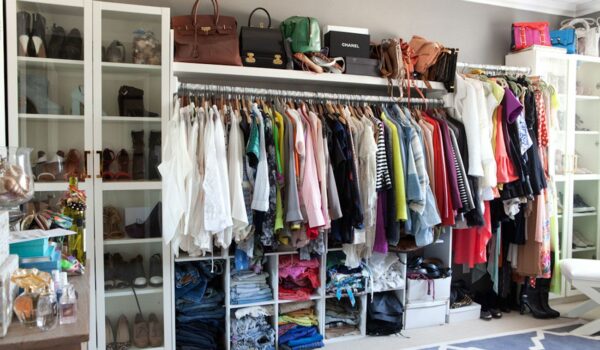
The Tales Our Clothes Tell: Part 1
View moreThe Tales Our Clothes Tell: Part 1
Which STAR Committee Member Are You?
View moreWhich STAR Committee Member Are You?
Fiona Hill: The Best St Andrews Can Be
View moreFiona Hill: The Best St Andrews Can Be
Leyla Hussein: An Advocate for Change
View moreLeyla Hussein: An Advocate for Change
Stop Stalling – Try A New Society This Semester
View moreStop Stalling – Try A New Society This Semester

My Flatmate, Anna
View moreMy Flatmate, Anna
The 93% Club – Inclusive or Divisive?
View moreThe 93% Club – Inclusive or Divisive?

Starlings in Quarantine: Anna Rose Harris
View moreStarlings in Quarantine: Anna Rose Harris
Guide to Societies
View moreGuide to Societies

Coming Out: Five Years On
View moreComing Out: Five Years On

Black Lives Matter Statement & Resources
View moreBlack Lives Matter Statement & Resources